Relining for boilers, furnaces, and water heaters
If you need a page focused specifically on appliance chimneys, see our breakdown for boiler, furnace, and water heater relining.
Explore appliance chimney reliningRelining and annual inspection for boilers, furnaces, water heaters, and other masonry chimney venting systems across NEPA.
If your gas or oil appliance vents into a masonry chimney, the liner size and condition matter. Exhaust from boilers, furnaces, and water heaters can be cool, damp, and acidic, which can break down clay flue tiles and mortar joints over time.
When that happens, the chimney may draft poorly, spill combustion gases, or allow moisture damage to keep spreading through the masonry. We inspect these systems, explain what is failing, and install properly sized liners for safer venting and better appliance performance.
These systems should also be inspected every year. An annual chimney inspection is often what reveals hidden liner damage, condensation problems, or an oversized flue after an appliance change.
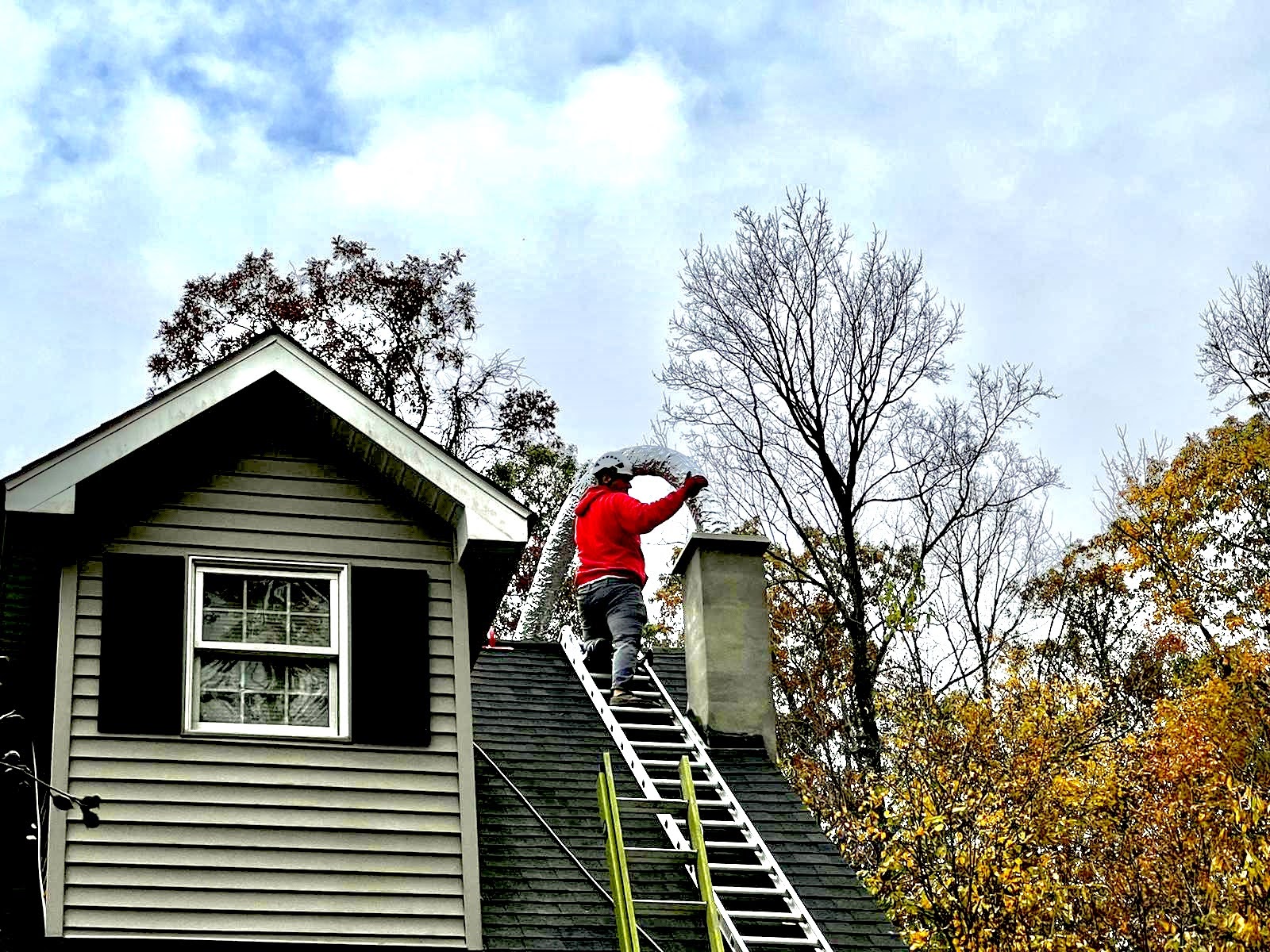
If you are searching for chimney relining cost, the right number depends on the actual venting system in front of us. Gas and oil appliance chimneys often need sizing confirmation before a safe liner recommendation can be made.
We do not use one-size-fits-all pricing because liner diameter, height, insulation, access, and repair scope change from system to system. See our chimney relining cost page for service-specific pricing factors, or read our guide to gas and oil chimney relining cost in NEPA for a deeper explanation.
Request an Inspection Learn About InspectionsDo gas and oil appliance chimneys need annual inspections?
Yes. Masonry chimneys venting gas or oil appliances should be inspected every year to check liner condition, vent sizing, moisture damage, and safe draft performance.
What are signs a gas or oil chimney may need relining?
Common signs include damaged flue tiles, moisture or white staining, poor draft, rust, odor, or issues found during inspection.
How much does chimney relining cost?
Cost depends on chimney height, liner diameter, appliance type, access, insulation, and whether repairs or new components are needed.
Can you quote a reline without an inspection?
We can discuss typical ranges, but an inspection is the safest way to confirm sizing, condition, and the exact scope before quoting.
We serve homeowners across NEPA and can inspect wood, gas, and oil venting systems. If your boiler, furnace, or water heater vents into an older masonry chimney, do not wait for moisture or draft issues to get worse.
Start with an inspection so we can confirm whether relining is needed and explain the right scope for your system.
Request an AppointmentIf you need a page focused specifically on appliance chimneys, see our breakdown for boiler, furnace, and water heater relining.
Explore appliance chimney reliningMany gas and oil chimney relining projects start with a camera inspection that confirms damage, condensation problems, or an oversized flue.
See gas and oil chimney inspection