Need pricing context before you schedule?
See the main factors that affect chimney relining cost before you compare quotes.
See chimney relining cost factorsRelining older masonry chimneys for safer gas and oil appliance venting across NEPA.
Older masonry chimneys were often built around clay flue tiles and larger venting systems. After years of use, or after an appliance replacement, that setup may no longer vent a boiler, furnace, or water heater the way it should.
Relining helps correct damaged or oversized flues so combustion gases move out of the home more safely. Most of these projects begin with an inspection that confirms what is happening inside the chimney.
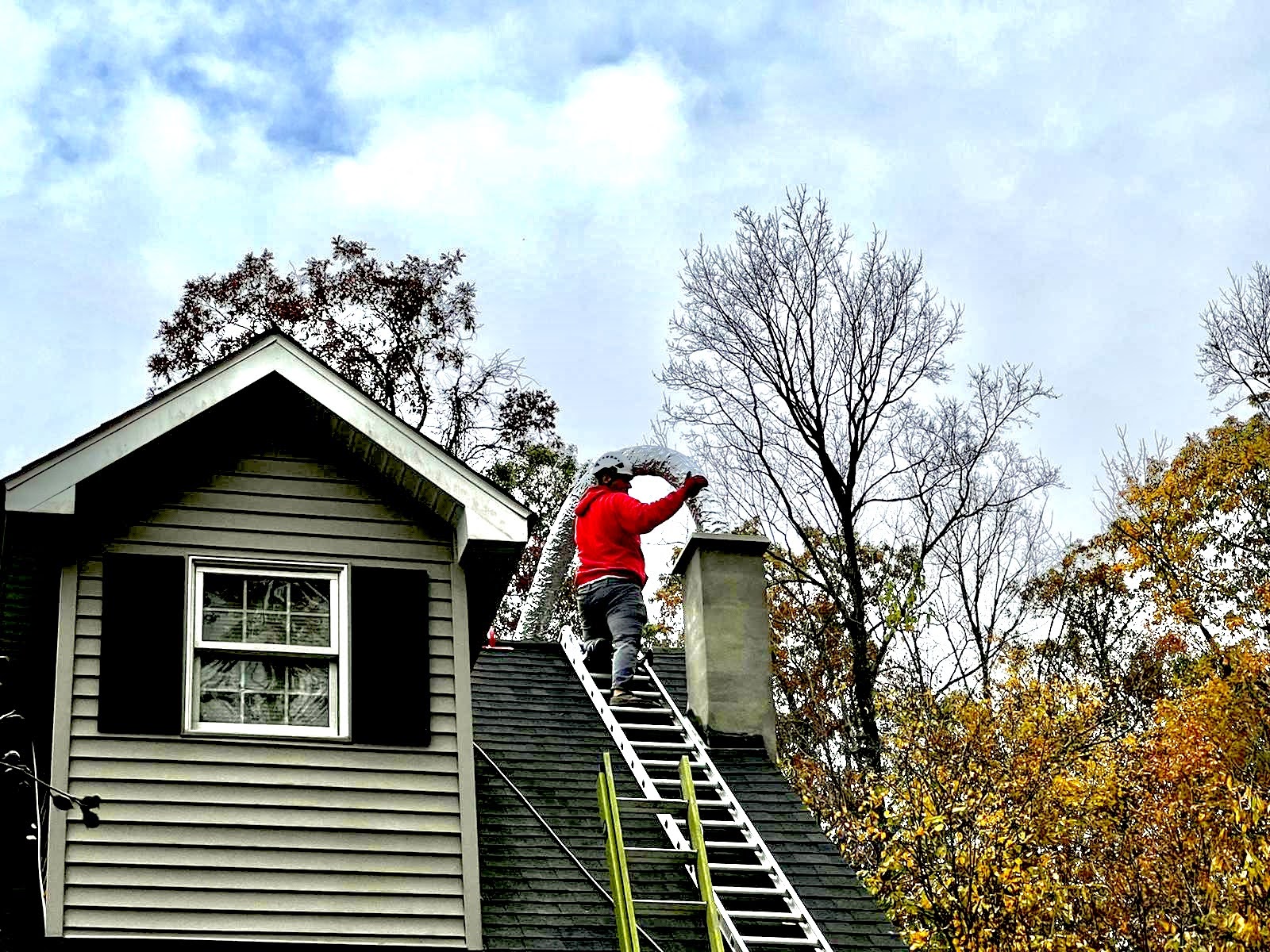
Why do boiler and furnace chimneys need relining?
Boiler and furnace chimneys may need relining when the existing flue is damaged, oversized for the appliance, or showing moisture and condensation problems.
Can a new appliance change the liner size needed?
Yes. Replacing a boiler, furnace, or water heater can change venting needs, which is one reason inspections often identify oversized flues.
How do you know if relining is needed?
A camera inspection can reveal damaged flue tiles, moisture damage, poor sizing, or other problems that point to relining.
Can you quote appliance relining without an inspection?
We can discuss typical ranges, but the exact quote depends on chimney height, liner size, access, insulation, and what the inspection finds.
See the main factors that affect chimney relining cost before you compare quotes.
See chimney relining cost factorsIf you want the main service page covering relining across gas, oil, and other systems, start there.
See chimney relining