Need a page focused on gas and oil chimneys?
If you are specifically dealing with a boiler, furnace, or water heater venting into masonry, see our dedicated page on annual gas and oil chimney inspections.
See gas and oil chimney inspectionFireplaces, boilers, furnaces, and water heaters venting into masonry chimneys should be inspected every year.
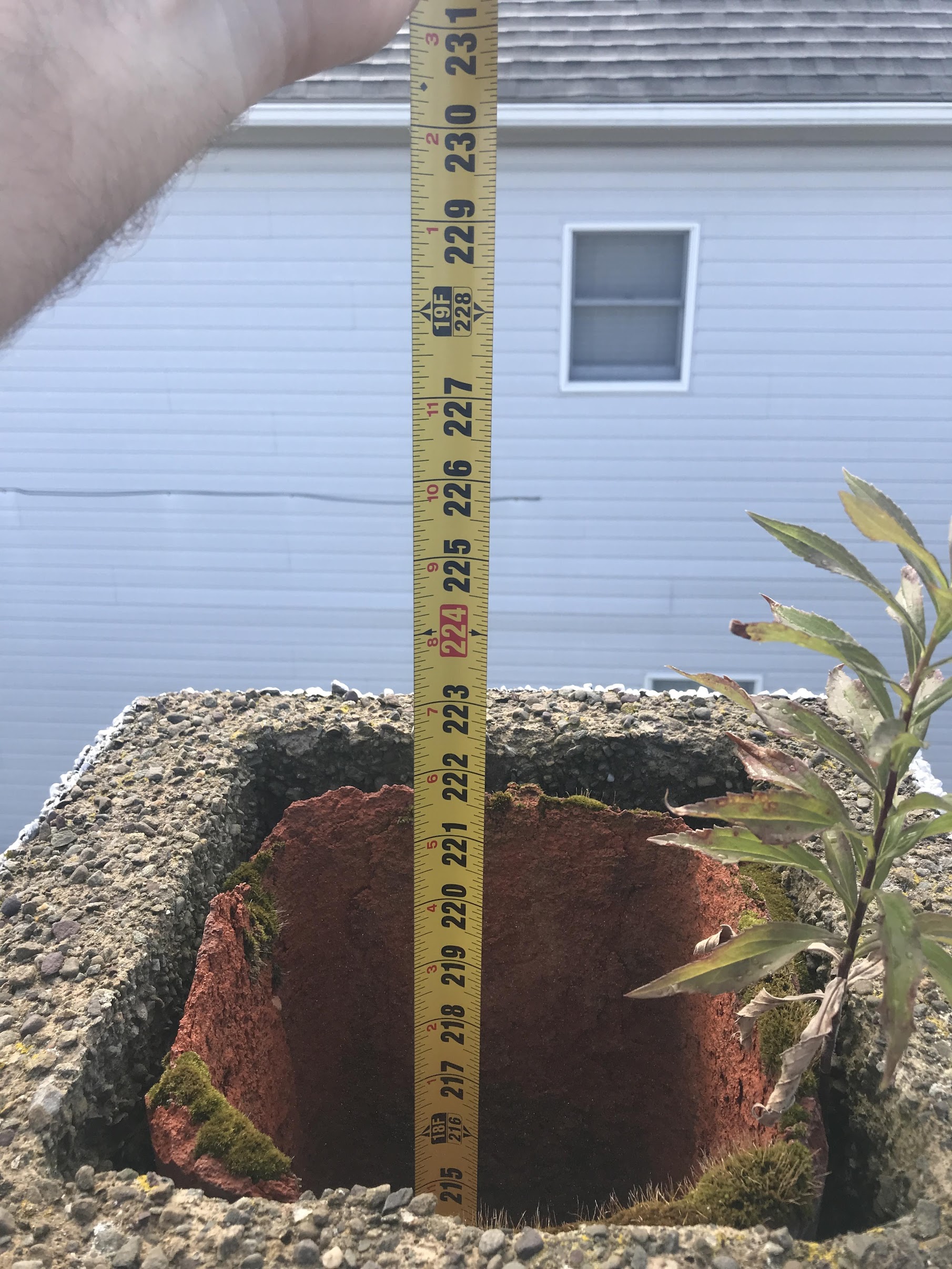
Our CSIA certified chimney technicians use a camera to inspect chimney flue liners, mortar joints, and the chimney structure. We utilize specialized equipment to access all areas of your chimney system, including masonry chimneys serving gas and oil appliances.
During a chimney inspection, a certified chimney tech can identify damage, plan necessary repairs, and recommend whether cleaning, repair, or relining is needed. This is especially important after replacing a boiler, furnace, or water heater.
Chimney inspections are recommended once a year for wood-burning fireplaces and for gas and oil appliance chimneys. We offer 3 levels of inspections:
For more detailed information on the types of chimney inspections offered, please click here.
What is the difference between a Level 1 and Level 2 inspection?
Level 1 is a basic visual inspection, while Level 2 adds access to attics, crawl spaces, and a video scan of the flue.
Do gas and oil appliance chimneys need annual inspection?
Yes. Masonry chimneys venting boilers, furnaces, and water heaters should be inspected every year to catch liner damage, sizing issues, moisture problems, and draft defects.
Can an inspection tell me if chimney relining is needed?
Yes. An inspection can reveal damaged flue tiles, condensation issues, or an oversized flue that may require relining for safe venting.
Will I receive a written report?
Yes. We provide clear findings and recommendations after the inspection.
If you are specifically dealing with a boiler, furnace, or water heater venting into masonry, see our dedicated page on annual gas and oil chimney inspections.
See gas and oil chimney inspectionIf the inspection points to liner damage or sizing issues, review the factors that affect a reline quote before you compare options.
See chimney relining cost factors