Inspection shows a liner problem?
If the scan points to damaged tile, condensation, or an oversized flue, the next step may be chimney relining.
See appliance chimney reliningAnnual inspection for boilers, furnaces, water heaters, and other gas or oil appliances venting into masonry chimneys across NEPA.
Gas and oil appliance chimneys do not always show obvious problems early. A system may still run while moisture, liner damage, or sizing issues continue getting worse inside the chimney.
That is why annual inspection matters. We inspect masonry chimneys serving boilers, furnaces, and water heaters so homeowners get a clear picture of liner condition, venting safety, and whether a reline or repair needs to be planned.
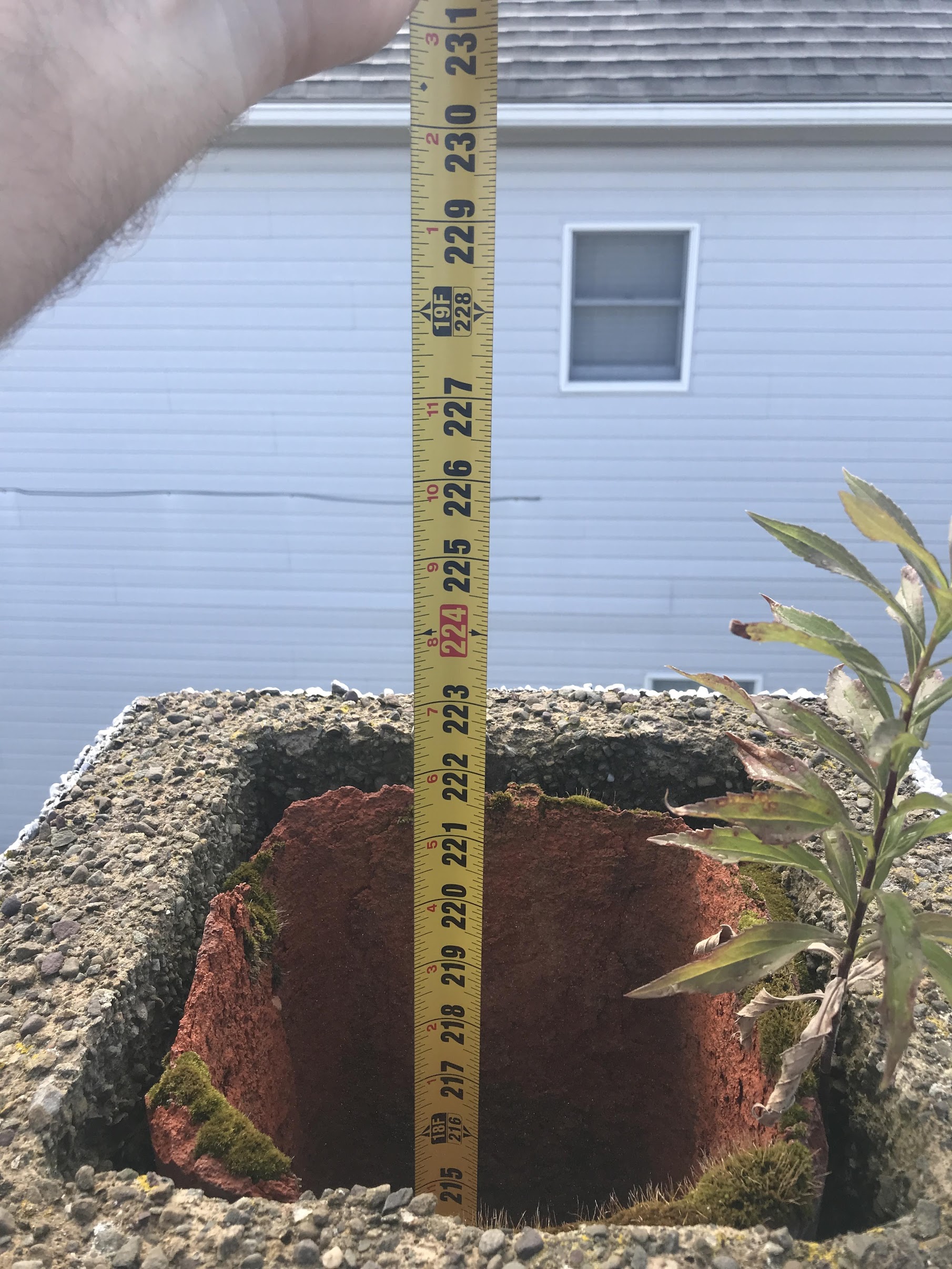
If you need the broader inspection overview, visit our chimney inspection types page.
Do gas and oil appliance chimneys need annual inspection?
Yes. Masonry chimneys venting boilers, furnaces, and water heaters should be inspected every year to catch liner damage, moisture problems, and draft defects.
When is a Level 2 inspection needed?
A Level 2 inspection is often recommended after appliance changes, fuel changes, suspected venting problems, or when a camera scan is needed to confirm liner condition.
Can an inspection tell me if relining is needed?
Yes. An inspection can reveal damaged flue tiles, condensation issues, or an oversized flue that may require relining for safer venting.
What appliances does this page apply to?
This page applies to boilers, furnaces, water heaters, and other gas or oil appliances that vent into a masonry chimney.
If the scan points to damaged tile, condensation, or an oversized flue, the next step may be chimney relining.
See appliance chimney reliningReview the biggest pricing factors before you compare quotes for a gas or oil chimney reline.
See chimney relining cost factors